
Color Theory Basics: Essential Guide for Modern Designers
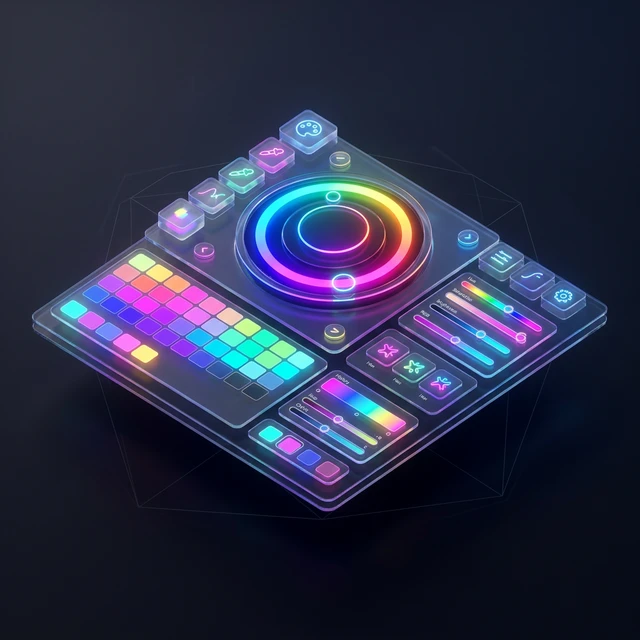
Color theory forms the foundation of effective visual communication, influencing how users perceive and interact with your designs. Understanding color relationships, harmony principles, and psychological impacts enables designers to create compelling visual experiences. This comprehensive guide explores color theory fundamentals, practical applications, and how modern color picker tools streamline the design process while maintaining artistic integrity and user engagement.
Color Theory Fundamentals
Primary Colors
Red, Yellow, Blue
Foundation Colors
Cannot Be Mixed
Secondary Colors
Orange, Green, Purple
Equal Mixing
High Energy
Tertiary Colors
6 Variations
Primary + Secondary
Rich Palette
Color Harmony
Complementary
Analogous
Triadic
Table of Contents
- The Science Behind Color Perception
- Understanding the Color Wheel
- Primary, Secondary, and Tertiary Colors
- Color Harmony Principles
- The Psychology of Color in Design
- Color Temperature and Mood
- Apply Color Theory with Professional Tools
- Practical Color Theory Applications
- Color Context and Relativity
- Cultural Considerations in Color Theory
- Accessibility in Color Theory
- Digital Color Theory vs Traditional
- Advanced Color Theory Techniques
- Testing and Optimizing Color Choices
- Frequently Asked Questions
- Related Color Design Guides
The Science Behind Color Perception
Color perception begins with light physics and human biology. White light contains all colors of the visible spectrum, which our eyes detect through specialized photoreceptor cells called cones. These cones respond to different wavelengths - short (blue), medium (green), and long (red) - creating our perception of millions of color variations. Understanding this biological foundation helps designers create color schemes that work naturally with human perception rather than against it.
Understanding the Color Wheel
The color wheel, developed by Sir Isaac Newton in 1666, remains the fundamental tool for understanding color relationships. It organizes colors into primary (red, yellow, blue), secondary (orange, green, purple), and tertiary colors. Modern color wheels include variations like warm and cool color temperatures, allowing designers to predict how colors will interact and create specific emotional responses. Mastering color wheel relationships enables intentional color selection rather than random choices.
Primary, Secondary, and Tertiary Colors
Primary colors cannot be created by mixing other colors and form the foundation of all color combinations. Secondary colors result from mixing two primary colors in equal proportions. Tertiary colors emerge from mixing primary and secondary colors, creating the rich palette designers use daily. Understanding these relationships helps create harmonious color schemes and avoid clashing combinations that can disrupt user experience and brand perception.
Color Harmony Principles
Color harmony creates visual satisfaction through balanced color relationships. Complementary colors (opposite on the color wheel) create high contrast and energy. Analogous colors (adjacent on the wheel) provide subtle, sophisticated combinations. Triadic schemes (equally spaced) offer vibrant yet balanced palettes. Split-complementary arrangements modify complementary schemes for less intensity while maintaining visual interest. These principles guide designers toward intentional, effective color choices.
The Psychology of Color in Design
Colors trigger emotional and behavioral responses based on both biological programming and cultural conditioning. Red evokes urgency and passion, making it ideal for calls-to-action and warning signals. Blue conveys trust and professionalism, perfect for financial and healthcare applications. Green represents growth and health, excellent for environmental and wellness brands. Yellow captures attention and creates optimism, suitable for highlighting important information. Understanding these psychological associations enables designers to influence user behavior subconsciously.
Color Temperature and Mood
Color temperature significantly impacts mood and user experience. Warm colors (red, orange, yellow) create energy, excitement, and approachability. They stimulate conversation and appetite, making them ideal for social platforms and food-related applications. Cool colors (blue, green, purple) promote calm, trust, and concentration. They're perfect for professional services, healthcare, and educational platforms where users need focus and reassurance. Balancing warm and cool temperatures creates dynamic yet harmonious experiences.
Apply Color Theory with Professional Tools
Use our advanced color picker to implement color theory principles in your designs.
Try Color Theory Tools →Practical Color Theory Applications
| Design Element | Color Theory Principle | Application | Expected Impact |
|---|---|---|---|
| Call-to-Action Buttons | Complementary Contrast | High contrast with background | Increased click-through rates |
| Navigation Menus | Analogous Harmony | Subtle color variations | Improved user orientation |
| Background Colors | Cool Temperature | Soft blues and greens | Enhanced readability |
| Alert Messages | Warm Temperature | Strategic red/orange use | Immediate attention capture |
Color Context and Relativity
Colors appear different depending on their context and surrounding colors. The same blue can feel calming against a white background but intimidating next to black. This relativity effect means designers must consider color interactions rather than individual colors in isolation. Modern color picker tools help visualize these relationships through real-time previews, enabling informed decisions about color combinations and their contextual impacts.
Cultural Considerations in Color Theory
Color meanings vary significantly across cultures, impacting global design strategies. White symbolizes purity in Western cultures but mourning in many Eastern traditions. Red represents luck and prosperity in China but danger in Western contexts. Orange signifies spirituality in India but caution in Western design. Successful global designs research cultural color associations to avoid unintended negative reactions while creating universally appealing experiences.
Accessibility in Color Theory
Color theory must accommodate diverse user needs and abilities. Contrast ratios (4.5:1 for normal text, 3:1 for large text) ensure readability for users with visual impairments. Color blindness considerations require avoiding problematic color combinations like red-green. Designers should use color as an enhancement rather than the sole information carrier, supplementing with icons, text labels, and patterns. Modern accessibility guidelines ensure inclusive design that serves all users effectively.
Digital Color Theory vs Traditional
Digital color theory adapts traditional principles for screen-based media. RGB (Red, Green, Blue) color model replaces CMYK (Cyan, Magenta, Yellow, Black) used in print. Digital displays offer wider color gamuts and brightness variations. Screen glare and ambient light affect color perception differently than printed materials. Understanding these differences ensures designs translate effectively across various digital platforms and devices while maintaining intended visual impact.
Advanced Color Theory Techniques
Professional designers employ advanced techniques to elevate color theory applications. Gradient transitions create depth and movement. Color overlay effects add sophistication and visual interest. Duotone treatments establish strong brand identities. Split-complementary schemes modify traditional harmony for unique visual expressions. These techniques transform basic color theory into distinctive design solutions that capture attention and communicate brand personality effectively.
Testing and Optimizing Color Choices
The most effective color theory application combines foundational principles with data-driven optimization. A/B test different color variations for key design elements like CTAs, headers, and navigation. Track user engagement metrics, conversion rates, and time on page to validate color choices. Heat mapping tools reveal how users interact with different color schemes, providing insights for refinement. Use accessibility checkers to ensure your color choices work for all users, including those with color vision deficiencies.
Professional Color Theory Application Tool
Master Color Theory Today
Ready to create stunning color schemes? Use our professional color picker with built-in color theory principles.
Apply Color Theory →Frequently Asked Questions
Follow the 60-30-10 rule: 60% primary color, 30% secondary color, 10% accent color. This creates visual hierarchy while maintaining harmony. Limit your palette to 3-4 main colors plus neutral grays for text and backgrounds. Use your color picker tool to ensure consistent application across all design elements and maintain brand coherence throughout your project.
Hue is the pure color (red, blue, green) without any white or black added. Saturation refers to color intensity - fully saturated colors are vivid, while desaturated colors are muted. Brightness (or value) determines how light or dark a color appears. Understanding these three components enables precise color manipulation using HSB color models in professional design tools and color pickers.
Research your target audience demographics, cultural background, and psychological preferences. Younger audiences often respond to vibrant, high-energy colors, while mature audiences prefer sophisticated, subdued palettes. Cultural background influences color meanings and associations. Industry standards also play a role - tech companies typically use blues and grays, while creative industries embrace bolder color expressions.
Ready to use the Color Picker?
Experience the fastest, most secure browser-based tool on AFFLIGO Smart Tools Hub. No installation or sign-up required.
Try the Tool Now